
Category: Technology

  • Best Mobile Tech for Playing Slots Online

    Best Mobile Tech for Playing Slots Online

    The popularity of online slot machines has grown rapidly in recent years. More people are enjoying the fun and excitement of these games, and the rise of mobile technology has made it even easier. You can now play your favorite online slot machines anywhere, anytime. But how can you make sure you’re getting the best mobile experience? Let’s take a look at the best mobile tech for playing online slot machines.

    Mobile Devices Make Gaming Convenient

    One of the best things about playing online slot machines on your mobile device is convenience. Smartphones and tablets have made it possible to play these games on the go. Whether you’re waiting for a bus or relaxing at home, you can easily access your favorite slot games with just a few taps.

    Thanks to mobile tech, players no longer need to sit at a computer to enjoy online slot machines. You can now spin the reels from almost anywhere. This has made online slots even more accessible and popular than ever.

    Balance Nature with Relaxation

    Spending time connecting with nature and learning about local wildlife is a rewarding experience. After a day exploring trails and birdwatching, unwind with some light entertainment from the best online casino australia. It’s a simple way to relax while still enjoying the comfort of home.

    High-Quality Smartphones for Slot Gaming

    If you’re serious about playing online slot machines, you need a smartphone that can handle the game smoothly. The best smartphones today come with powerful processors, high-resolution screens, and large batteries. These features make them perfect for gaming.

    A high-quality smartphone ensures that you can enjoy a lag-free experience while playing. You won’t have to worry about crashes or slow loading times, which can be frustrating. With the latest phones, you can enjoy clear graphics and fast gameplay, giving you a better experience when spinning the reels.

    Best Mobile Tech for Playing Slots Online
    Best Mobile Tech for Playing Slots Online

    Explore Nature and Conservation with Audubon Center

    The Audubon Center is dedicated to the preservation of birds and wildlife. For some fun, try your luck with top au online casinos.

    Tablets for a Bigger Screen Experience

    For those who prefer a larger screen, tablets are a great choice for playing online slot machines. Tablets give you more space to enjoy the graphics and animations of your favorite games. The larger screen allows you to see the details more clearly, making the game more enjoyable.

    Tablets are also more portable than computers, so you can take them with you wherever you go. With the increased screen size, you’ll have an even better view of the action on the reels. Many online slot machines are designed to look great on tablet screens, enhancing your overall gaming experience.

    Mobile Operating Systems for Smooth Gameplay

    To ensure smooth gameplay, it’s important to use a reliable operating system. Both Android and iOS devices offer excellent performance for playing online slot machines. These operating systems are designed to run apps smoothly, which is important when you’re playing games that require fast reactions.

    Android and iOS also regularly update their software, ensuring that mobile gaming continues to improve. This means better security, faster loading times, and improved game compatibility. Whether you have an Android phone or an iPhone, you’ll be able to enjoy online slot machines with no problems.

    Fast Internet Connection for Seamless Gaming

    To enjoy online slot machines without interruptions, you need a strong and stable internet connection. Mobile devices can connect to Wi-Fi or use mobile data to access the internet. When playing online slots, a fast and stable connection is important to avoid lag or delays.

    Wi-Fi connections usually provide the best performance for gaming, especially when you’re playing at home. However, mobile data can also work well as long as you have a strong signal. By using the right internet connection, you can ensure that your gaming experience is smooth and enjoyable.

    Mobile Apps for Quick Access

    Many online casinos offer dedicated mobile apps for playing online slot machines. These apps make it even easier to access your favorite games. With a mobile app, you can open the casino directly from your phone and start playing instantly.

    Mobile apps are often designed to be more user-friendly than websites, offering quick access to the games and features you enjoy. Plus, many apps come with special features like bonuses and promotions for mobile players. Downloading the app can improve your experience and make it even more fun to play online slot machines.

    Battery Life for Longer Gaming Sessions

    One important factor when playing online slot machines on mobile devices is battery life. If you’re playing for a long period, you don’t want your phone to run out of power. Luckily, modern smartphones and tablets come with longer battery lives than ever before.

    To make sure your device lasts during your gaming session, consider playing when your device is fully charged. If you’re playing for hours at a time, having a portable charger with you can help ensure that your gaming session is uninterrupted. With better battery life, you can enjoy your favorite online slot machines without worrying about running out of power.

    Security Features for Safe Gaming

    When playing online slot machines, security is a key concern. Fortunately, mobile devices come with built-in security features to help protect your information. Both Android and iOS devices offer encryption to keep your personal data safe. Many mobile casinos also use additional security measures to protect players.

    Always ensure that the online casino you’re playing at has the right security certifications. This will help you avoid scams and ensure a safe gaming experience. Mobile devices, combined with secure online platforms, provide peace of mind when playing online slot machines.

    Discover Nature at Audubon Center

    Audubon Center focuses on wildlife, conservation, and environmental education for enthusiasts and visitors. Their articles encourage exploration and learning about nature. For a fun online diversion, check out jackpotjill Casino Room and enjoy gaming. Balancing nature insights with leisure keeps experiences refreshing.

    Conclusion

    Mobile technology has completely changed the way we play online slot machines. With powerful smartphones, larger tablets, and fast internet connections, players can now enjoy their favorite slot games wherever they are. The convenience, high-quality screens, and advanced operating systems make mobile gaming a great option for slot players.

    To get the most out of your gaming experience, make sure you have the right mobile device and a stable internet connection. Whether you’re playing for fun or aiming for big wins, using the best mobile tech will ensure that you have a smooth and enjoyable experience with online slot machines.

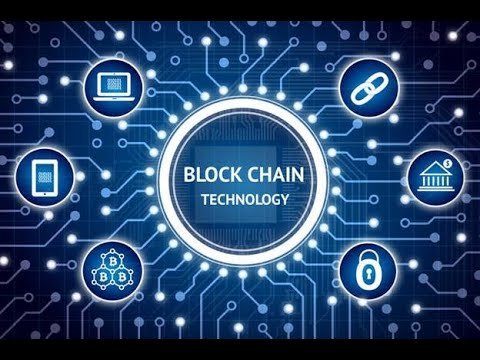

  • Understanding Blockchain Technology

    Understanding Blockchain Technology

    Blockchain technology is a powerful tool that is changing the way we store and share data. Understanding blockchain technology is important, as it has the potential to revolutionize many industries, from finance to healthcare. It allows information to be securely stored and shared across a network without the need for a middleman. In this article, we will explore what blockchain is, how it works, and why it matters.

    What is Blockchain?

    At its core, blockchain is a system that keeps records in a way that is secure and transparent. A blockchain is made up of blocks, and each block contains data. These blocks are linked together in a chain, hence the name “blockchain.” Each new block added to the chain is verified by multiple participants in the network, ensuring that the data remains accurate and cannot be tampered with.

    Understanding blockchain technology means realizing that it operates on a decentralized network. This means there is no central authority or company controlling it. Instead, many computers (called nodes) participate in the network. When a new block is created, all the participants verify it, making the system highly secure.

    Exploring Wildlife and Enjoying Leisure

    Observing and appreciating wildlife fosters a deeper connection with nature, but taking time to relax indoors is important too. For engaging online entertainment, check out wolfwinner Casino Room for interactive fun.

    Understanding Blockchain Technology
    Understanding Blockchain Technology

    How Does Blockchain Work?

    When a transaction or a piece of data is entered into the system, it is first verified by participants in the blockchain network. Once verified, it gets added to a block. After the block is complete, it is linked to the previous one, creating a chain. This chain of blocks is constantly growing and updating, making it nearly impossible to change any information once it has been added.

    Understanding blockchain technology involves knowing that its security is what makes it so special. Each block contains a unique code called a hash, which is connected to the hash of the previous block. This makes the chain of blocks nearly impossible to tamper with. If someone tries to change information in one block, the hash would change, breaking the entire chain.

    casino en ligne leroijohnny

    Audubon-center.com likely provides information and resources related to nature, birds, and conservation efforts. While visitors appreciate the beauty and importance of the natural world, some might also enjoy online entertainment during their leisure time. For those interested in exploring online gaming platforms, more information can be found at casino en ligne leroijohnny. This resource offers a variety of online casino games for adults seeking a different form of engaging pastime.

    Why is Blockchain Important?

    Blockchain has many benefits. For example, it improves security. Since the data is spread across many computers, there is no central point of failure. Additionally, blockchain offers transparency, as everyone in the network can see the data, but no one can change it.

    Understanding blockchain technology also means knowing that it offers a level of trust that many traditional systems cannot. In industries like finance, people trust blockchain for secure transactions. This technology allows for faster and cheaper transactions compared to traditional banking systems.

    Uses of Blockchain Technology

    Blockchain has many uses. The most well-known use is for cryptocurrencies like Bitcoin. However, its applications extend far beyond that. In supply chain management, for example, blockchain helps track goods from the factory to the consumer. It can also be used in healthcare to securely store patient data, ensuring privacy and easy access for doctors and medical professionals.

    Blockchain is also being explored for use in voting systems. By using blockchain, votes could be securely recorded and verified, reducing the chances of fraud. Understanding blockchain technology shows that it has the potential to improve many different systems and industries.

    Blockchain in the Future

    Looking ahead, understanding blockchain technology becomes even more important as its potential continues to grow. We may soon see more industries adopt blockchain for various uses, making transactions and data sharing more secure and transparent. Whether it’s in healthcare, finance, or even voting, blockchain technology promises to make significant changes.

    One area where blockchain is making waves is in online platforms. For instance, https://www.gambling360.com/casino-bonus/welcome/ offers exciting future aspects for blockchain technology, much like blockchain offers a new way of rewarding users for their participation. Blockchain’s transparent, decentralized nature makes it an ideal tool for creating systems that benefit both users and providers.

    Treasure Fun

    Experience online games with thrilling challenges and prizes. Tully treasure delivers smooth gameplay and generous rewards. Every session is engaging and fun. Join now and claim your prizes!

    Conclusion

    Understanding blockchain technology is key to recognizing its potential. This revolutionary technology has many applications that can change how we handle data, transactions, and information sharing. From improved security to transparency and efficiency, blockchain offers a better way forward for many industries. As we move into the future, blockchain will continue to play an important role in shaping our digital world.

  • The Role of Technology in Environmental Conservation

    The Role of Technology in Environmental Conservation

    Technology plays a critical role in advancing environmental conservation efforts by offering innovative solutions to some of the most pressing environmental challenges. From monitoring ecosystems and managing natural resources to reducing pollution and promoting sustainable practices, technology is driving a new era of conservation. As the world faces increasing threats from climate change, deforestation, biodiversity loss, and pollution, leveraging technology is more crucial than ever.

    1. Enhancing Environmental Monitoring and Data Collection

    1.1. Remote Sensing and Satellite Technology:

    • Monitoring Deforestation and Land Use Changes: Satellites provide real-time data on deforestation, land use, and ecosystem changes, enabling scientists, policymakers, and conservationists to monitor and respond to threats like illegal logging, land degradation, and habitat destruction. Programs like NASA’s Landsat and ESA’s Sentinel satellites provide detailed imagery that can track changes in forests, oceans, and deserts.
    • Tracking Climate Patterns and Disasters: Satellite technology helps monitor climate patterns, such as sea level rise, temperature changes, and weather events. It also aids in disaster management by providing early warnings for floods, hurricanes, and wildfires, allowing communities to prepare and mitigate damage.

    1.2. Drones and Aerial Surveillance:

    • Surveying Remote and Inaccessible Areas: Drones equipped with cameras and sensors are used to survey remote and difficult-to-access areas, such as dense forests, mountains, and wetlands. They help monitor wildlife populations, assess habitat conditions, and detect illegal activities like poaching and logging.
    • Precision Agriculture and Forest Management: Drones are used in precision agriculture to monitor crop health, optimize irrigation, and apply fertilizers more accurately. In forestry, drones help assess forest health, track tree growth, and detect diseases or pest infestations.

    1.3. Internet of Things (IoT) and Sensors:

    • Real-Time Environmental Monitoring: IoT devices and sensors are deployed in forests, oceans, and cities to monitor environmental parameters like air and water quality, soil moisture, temperature, and wildlife movement. For example, smart sensors can detect pollutants in rivers or oceans and alert authorities to potential environmental hazards.
    • Wildlife Tracking and Conservation: IoT-enabled tracking devices attached to animals provide real-time data on their location, behavior, and migration patterns. This data helps conservationists understand animal habits, assess threats, and implement targeted protection strategies.

    2. Promoting Sustainable Resource Management

    2.1. Smart Water Management:

    • Efficient Irrigation Systems: Smart irrigation systems use real-time weather data, soil moisture sensors, and machine learning algorithms to optimize water use in agriculture. This reduces water waste and ensures that crops receive the right amount of water.
    • Leak Detection and Water Conservation: IoT-enabled sensors detect leaks in water distribution systems, reducing water loss and improving efficiency. Smart meters also provide consumers with data on their water usage, encouraging conservation practices.

    2.2. Renewable Energy Technologies:

    • Solar and Wind Power: Advances in solar panels, wind turbines, and energy storage technologies have made renewable energy more efficient and cost-effective. These technologies reduce dependence on fossil fuels, lower greenhouse gas emissions, and promote cleaner energy production.
    • Smart Grids: Smart grids use digital technology to manage electricity demand and supply efficiently. They integrate renewable energy sources, optimize energy use, and reduce transmission losses, contributing to a more sustainable energy system.

    2.3. Precision Agriculture:

    • Reducing Chemical Use: Precision agriculture technologies, such as GPS-guided tractors, soil sensors, and drones, allow farmers to apply fertilizers, pesticides, and herbicides only where needed, minimizing chemical use and reducing environmental impact.
    • Improving Crop Yields: Data-driven farming techniques help optimize planting schedules, irrigation, and crop management, resulting in higher yields with fewer resources. This reduces the pressure on land and water resources and supports food security.

    3. Reducing Pollution and Waste

    3.1. Waste Management Technologies:

    • Smart Waste Collection: IoT-enabled waste bins and smart sensors help optimize waste collection routes, reducing fuel consumption and emissions from waste collection trucks. They also provide data on waste generation patterns, helping cities develop better waste management strategies.
    • Recycling Innovations: Advanced recycling technologies, such as automated sorting machines and chemical recycling processes, improve the efficiency and effectiveness of recycling programs. This reduces the amount of waste sent to landfills and lowers the environmental impact of waste disposal.

    3.2. Pollution Control Technologies:

    • Air Quality Monitoring: Low-cost air quality sensors and real-time data platforms provide detailed information on air pollution levels, helping cities and communities take timely action to reduce emissions and protect public health.
    • Water Purification and Treatment: Innovative technologies, such as advanced filtration systems, nanotechnology, and biological treatments, improve water purification and wastewater treatment. These technologies help remove contaminants, pathogens, and pollutants from water, ensuring a safe and clean water supply.

    4. Conserving Biodiversity and Protecting Ecosystems

    4.1. Artificial Intelligence (AI) and Machine Learning:

    • Analyzing Big Data for Conservation: AI and machine learning algorithms analyze vast amounts of data from satellites, drones, sensors, and social media to identify patterns and trends in environmental changes. This helps conservationists predict threats, such as poaching, deforestation, or habitat loss, and respond proactively.
    • Monitoring Wildlife and Ecosystems: AI-powered image recognition tools analyze camera trap footage to monitor wildlife populations, detect illegal activities, and track changes in ecosystems. AI also helps identify and classify species, especially in remote and inaccessible areas.

    4.2. Digital Platforms and Citizen Science:

    • Crowdsourcing Conservation Efforts: Digital platforms and mobile apps enable citizens to participate in environmental monitoring and conservation efforts. For example, apps like iNaturalist allow users to document species sightings, contributing valuable data to biodiversity databases.
    • Engaging the Public: Technology-driven citizen science initiatives engage communities in environmental conservation, raising awareness and fostering a sense of stewardship for local ecosystems.

    5. Supporting Climate Change Mitigation and Adaptation

    5.1. Climate Modeling and Prediction:

    • Advanced Climate Models: Supercomputers and AI algorithms are used to create advanced climate models that predict future climate scenarios. These models help policymakers and scientists understand the potential impacts of climate change and develop effective mitigation and adaptation strategies.
    • Early Warning Systems: Technology enables early warning systems for extreme weather events, such as hurricanes, floods, and droughts. These systems help communities prepare and reduce the impact of climate-related disasters.

    5.2. Carbon Capture and Storage (CCS):

    • Reducing Carbon Emissions: Carbon capture and storage (CCS) technologies capture CO2 emissions from industrial processes and power plants and store them underground, preventing them from entering the atmosphere. These technologies are critical for reducing greenhouse gas emissions and mitigating climate change.

    6. Leveraging Blockchain for Environmental Transparency

    6.1. Promoting Sustainable Supply Chains:

    • Tracking and Verifying Sustainability: Blockchain technology offers a transparent and tamper-proof way to track the origins of products and verify sustainable practices in supply chains. For example, it can be used to verify that products labeled as “sustainable” or “organic” meet specific environmental standards.
    • Enhancing Carbon Credit Trading: Blockchain is being used to create secure and transparent platforms for carbon credit trading. This technology ensures that carbon credits are accurately tracked, reducing fraud and increasing trust in carbon markets.

    7. Facilitating Environmental Education and Awareness

    7.1. Virtual Reality (VR) and Augmented Reality (AR):

    • Immersive Environmental Education: VR and AR technologies create immersive experiences that help people understand complex environmental issues. For example, VR can transport users to endangered ecosystems, allowing them to witness the impacts of climate change or deforestation firsthand.
    • Raising Awareness and Empathy: These technologies can raise awareness and empathy by providing virtual experiences of environmental challenges, encouraging people to take action to protect the environment.

    7.2. Online Platforms and Digital Campaigns:

    • Spreading Environmental Knowledge: Online platforms, social media, and digital campaigns help spread environmental knowledge, mobilize support for conservation initiatives, and engage a global audience in environmental advocacy.
    • Connecting Global Communities: Technology connects environmental organizations, researchers, and activists worldwide, facilitating collaboration, sharing best practices, and amplifying the impact of conservation efforts.

    Discover New Entertainment Options

    If you’re looking for a fun and engaging way to spend your time, exploring good online casinos can be an exciting option. They offer a wide range of games, including slots, poker, and more, all available at your fingertips. Whether you’re an experienced player or just starting, there’s something for everyone. Enjoy a safe, enjoyable, and thrilling experience with some of the best online gaming platforms.

    Conclusion

    Technology is a powerful tool for advancing environmental conservation by enhancing monitoring capabilities, promoting sustainable practices, reducing pollution, protecting biodiversity, supporting climate action, and educating the public. By harnessing the potential of technological innovations, we can address environmental challenges more effectively, ensure the sustainable management of natural resources, and build a healthier, more resilient planet for future generations. As technology continues to evolve, its role in conservation will only become more critical, offering new opportunities to safeguard our environment in the face of growing threats.

  • The Role of Artificial Intelligence in Environmental Conservation

    The Role of Artificial Intelligence in Environmental Conservation

    Artificial Intelligence (AI) is transforming a multitude of industries, and environmental conservation is no exception. By leveraging data, enhancing decision-making processes, and optimizing resource management, AI is proving to be a powerful ally in the fight against climate change and the degradation of natural ecosystems. Here’s a closer look at the pivotal roles AI plays in environmental conservation.

    1. Data Collection and Analysis

    Automated Monitoring

    AI-powered tools are increasingly being deployed for automated monitoring of wildlife populations, habitats, and environmental changes. Drones equipped with AI algorithms can cover vast areas and collect data from hard-to-reach locations, enabling researchers to monitor natural phenomena more efficiently.

    Big Data Processing

    AI algorithms can analyze large volumes of ecological data to identify patterns and trends that may not be apparent through traditional statistical methods. By processing satellite imagery, sensor data, and ecological reports, AI can contribute to a more comprehensive understanding of environmental changes and threats.

    1. Wildlife Conservation

    Species Identification

    AI applications are being used to classify species and monitor their populations. For example, machine learning algorithms can analyze images captured by camera traps to identify species quickly and accurately, aiding in biodiversity assessments and conservation efforts.

    Anti-Poaching Efforts

    AI technologies are deployed in anti-poaching efforts by analyzing data from various sources, such as satellite images, social media, and wildlife tracking. Predictive analytics can help identify areas at risk for poaching, allowing rangers to focus their efforts effectively.

    1. Resource Management

    Smart Agriculture

    AI is enhancing sustainable agricultural practices by optimizing resource use. Machine learning models can predict crop yields, assess soil health, and recommend precisely the right amount of water, fertilizers, and pesticides needed, thereby reducing waste and minimizing environmental impact.

    Water Conservation

    AI-driven systems can monitor water usage in real time, detecting leaks, inefficiencies, and optimizing water distribution in municipalities. Predictive models can also forecast water demand, helping communities manage resources proactively.

    1. Climate Change Mitigation and Adaptation

    Climate Modeling

    AI can significantly improve climate modeling by analyzing vast datasets that include climatic variables, historical data, and economic trends. This improved modeling can enhance our understanding of climate impact projections and inform strategies for mitigation and adaptation.

    Carbon Footprint Reduction

    AI technologies are being utilized to monitor and reduce carbon emissions across various industries. By analyzing operational data, AI can provide insights into energy use and suggest more sustainable practices, consequently lowering carbon footprints.

    1. Ecosystem Management

    Forest Management

    AI systems can analyze satellite imagery and remote sensing data to monitor deforestation rates, assess forest health, and predict fire risks. Forest management authorities can use these insights to implement more proactive and efficient conservation strategies.

    Habitat Restoration

    AI can aid in habitat restoration efforts by analyzing the ecological suitability of areas for specific species. By understanding the complex interactions within ecosystems, conservationists can target areas for restoration more effectiveness and choose the best methods for reintroduction of native species.

    1. Public Engagement and Education

    Citizen Science

    AI-powered applications enable members of the public to contribute to conservation efforts by reporting wildlife sightings or environmental changes. Machine learning tools can help validate and analyze these citizen-generated datasets, bringing engaging public participation to conservation projects.

    Awareness Campaigns

    AI technologies can assist organizations in creating personalized outreach and education campaigns about conservation efforts, targeting specific audiences based on data analytics to maximize impact.

    1. Sustainable Urban Development

    Smart City Solutions

    AI plays a crucial role in developing smart city solutions that promote sustainability. From optimizing public transportation systems to managing waste and energy resources, AI can improve the environmental footprint of urban areas.

    Traffic Flow Management

    By analyzing traffic patterns and integrating GPS data, AI can optimize traffic flow in urban environments, reducing congestion and emissions from idling vehicles.

    Conclusion

    The integration of AI into environmental conservation represents a paradigm shift in how we approach ecological challenges. By harnessing the power of AI, we can improve the efficiency of conservation efforts, develop sustainable practices, and ultimately foster a more harmonious relationship between humanity and the earth. As technology continues to advance, the potential for AI to contribute to environmental conservation will only grow, making it an essential tool in our collective mission to protect our planet for future generations.